
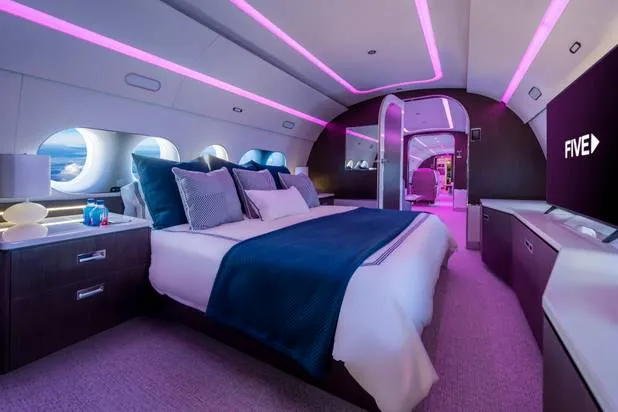


In the world of high society and successful entrepreneurs, time is an invaluable asset. A private jet flight lasts just 1–2 hours can save precious hours compared to traveling via commercial airlines. However, to optimize both cost and in-flight experience, selecting the right short range aircraft, particularly a well-suited private jet, becomes a crucial factor. Not every aircraft is worthy of accompanying you on these short journeys, and only by thoroughly understanding both operational needs and experiential expectations can you make a truly strategic choice.
- 1. Why is choosing the right short-range jet so important?
- 2. Key criteria for selecting the right short-range private jet
- 3. Common short-range private jet categories today
- 4. Detailed Comparison of Popular Short-Range Private Jet Categories
- 5. Expert mindset: Choosing the right private jet with strategic vision
- 6. Choosing a short-range jet – not just travel, but a lifestyle statement
1. Why is choosing the right short-range jet so important?
Choosing a private jet isn’t simply about selecting an airborne mode of transport—it is a process that blends technical performance, lifestyle, and time value. For flights under 2 hours, factors such as cruising speed, fuel efficiency, landing/take-off flexibility, and cabin comfort are essential to define the overall experience.
An ideal short-range private jet not only reduces travel time but also makes every minute in the air feel refined – a harmonious balance of technology, aesthetics, and tranquility.
2. Key criteria for selecting the right short-range private jet
The first factor to consider is the number of passengers, as this directly impacts the cabin configuration and the aircraft class to choose from. For flights around 1–2 hours, the ideal cruising speed typically ranges between 500 to 800 km/h, with an optimal range from 1,500 to 3,000 km.
Cabin space is a core element for those who value privacy and comfort. Features like reclining seats, stable internet connection, a private lavatory, and high-quality sound insulation make a significant difference between a standard flight and a premium journey.
Importantly, the ability to take off and land at smaller regional airports greatly reduces ground time—a capability that flexible short-range jets handle well. Lastly, choosing aircraft from reputable manufacturers not only ensures technical reliability but also reflects the owner’s taste and discernment.
3. Common short-range private jet categories today
3.1 Light Jets – the balance between speed, performance, and cost
In the short-range jet segment, light jets are considered a smart choice for passengers seeking a combination of cost efficiency and high-end experience. With a maximum takeoff weight under 5,670 kg, aircraft such as the Cessna Citation Mustang, HondaJet, or Embraer Phenom 100 offer outstanding flexibility, ideal for groups of 4 to 6 passengers.
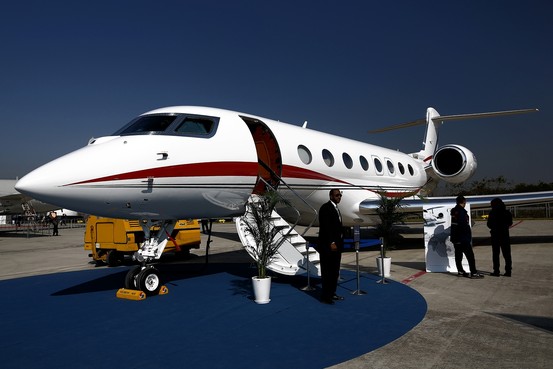
The advantage of this jet category lies in its fuel efficiency, low operating costs, and ability to land at a wide variety of small airports—something large commercial aircraft cannot do. While the cabin may not be overly spacious, intelligent layout and adequate amenities ensure passengers enjoy a quiet, private journey without compromising on comfort.

3.2 Midsize Jets – expanded space and upgraded experience
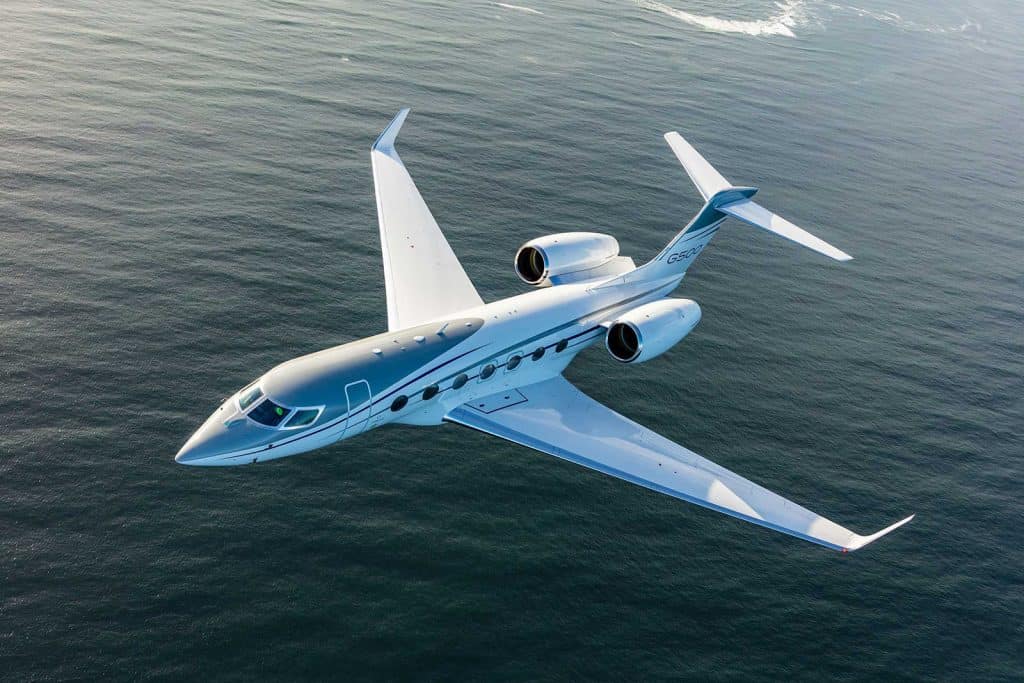
When greater space, comfort, and range are required, midsize jets set a new standard. Not only do models like the Gulfstream G500, Embraer Legacy 500, or Dassault Falcon 8X excel in speed and distance, they also impress with luxurious interiors, advanced noise-reduction systems, and cutting-edge avionics.
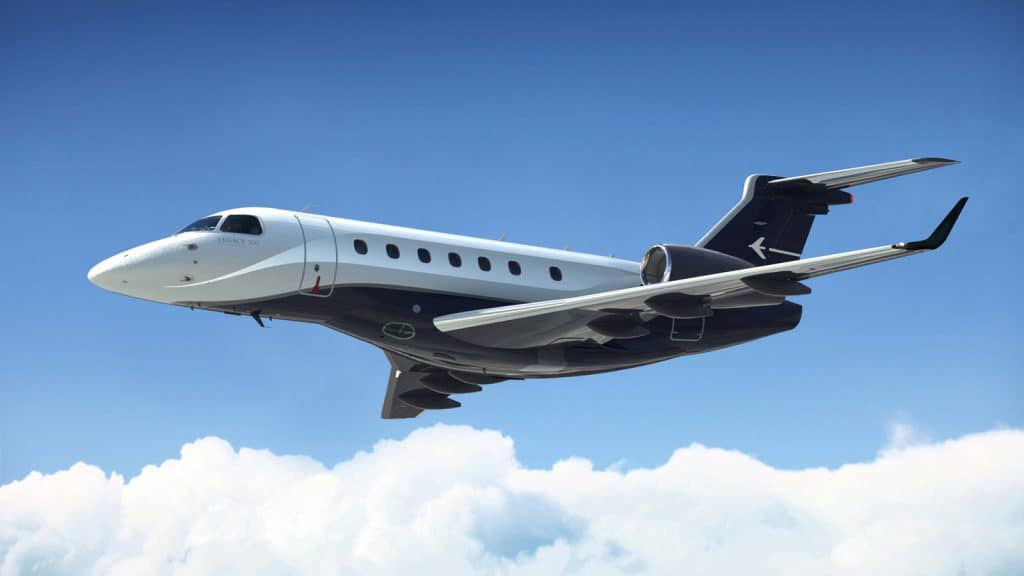
These are ideal for senior executives, elite families, or expert teams needing to hold in-flight meetings. With ranges from 3,500 to over 9,000 km while maintaining stable cabin environments and comfortable pressure levels, these jets redefine what a short but meaningful flight can be.
3.3 Premium Turboprops – cost-effective yet no less sophisticated
Among short-range private jets, turboprops occupy a special niche that merges cost efficiency with exceptional operational flexibility. Unlike pure jets, premium turboprops such as the Pilatus PC-12 or King Air 350i use modern propeller engines with reliable performance and optimal operating costs.
The Pilatus PC-12 stands out with a spacious cabin and customizable configurations for both business and personal use. Meanwhile, the King Air 350i proves that a light aircraft can be both economical and uphold luxury standards. These modern turboprops are ideal for flights under 800 km, minimizing costs without sacrificing flight experience.
Premium turboprops are the perfect solution for those seeking smart, effective mobility while retaining a distinct identity on every journey.
4. Detailed Comparison of Popular Short-Range Private Jet Categories
| Criteria | Light Jets | Midsize Jets | Premium Turboprop |
|---|---|---|---|
| Passenger Capacity | 4–6 | 6–9 | 6–8 |
| Average Speed | 600–700 km/h | 800–1,000 km/h | 500–600 km/h |
| Average Range | 1,800–2,500 km | 3,500–6,000+ km | 1,500–2,800 km |
| Cabin Toilet | Depending on model | Always available | Depending on configuration |
| Operating Cost (per hr) | Low | High | Very low |
| Airport Flexibility | Very high | Good | Very high |
5. Expert mindset: Choosing the right private jet with strategic vision
According to leading experts in the luxury aviation sector, choosing the appropriate type of aircraft is far more than a logistical decision—it is a strategic alignment of time optimization, operational flexibility, and the pursuit of a truly personalized travel experience. In today’s fast-paced world, where minutes matter and privacy is paramount, the type of jet selected becomes an extension of one’s lifestyle and professional intent.
For short-haul routes under 800 kilometers, premium turboprops such as the Pilatus PC-12 present an ideal solution. These aircraft offer exceptional fuel efficiency and cost-effectiveness, all while maintaining the agility to operate in and out of smaller, less congested airports—significantly reducing ground time and enhancing convenience.
When the flight distance extends to approximately 1,800 kilometers, light jets like the Embraer Phenom 100 or Cessna Citation CJ3 provide an optimal balance between cruising speed, inflight comfort, and economic viability. They are particularly well-suited for executives and discerning travelers who value efficiency without compromising luxury.
For those traveling in larger parties or requiring additional cabin space for onboard meetings, uninterrupted rest, or elevated amenities, midsize jets rise to the occasion. With enhanced range, spacious interiors, and advanced cabin technologies, they deliver a seamless experience that caters to both productivity and relaxation.
Industry professionals are unanimous in their viewpoint: an aircraft is not merely a mode of transportation—it is a refined symbol of foresight, status, and the intelligent stewardship of one’s most valuable asset: time.
6. Choosing a short-range jet – not just travel, but a lifestyle statement
Each short flight is more than a journey between two points—it is a space where you affirm your personal brand. For the successful, it’s where new strategies are born. For those seeking meaningful experiences, it’s the starting point of calm and private exploration.
Whether you choose a compact turboprop, a flexible light jet, or a fully equipped midsize aircraft, what matters is the alignment between your needs and your lifestyle. When chosen correctly, a short flight becomes a milestone of your lifestyle—not just a quicker way to travel.
If you’re seeking an internationally certified fleet featuring all categories of short-range private jets—from light to midsize—explore the curated selection of luxury jets at Boss Private Jet. Each aircraft is meticulously selected for its technical excellence and onboard amenities, and personalized to reflect the lifestyle of every distinguished passenger.


